In January 2025, before the end of its first year, Utah’s new education savings account program, Utah Fits All, received a significant legislative makeover. This included changes in allowable expenses and different funding tiers based on age and whether a family chooses homeschool or private school.
As a microschool founder, I was watching these changes closely. I was also in my first year running my school and had a significant number of families in my school and on my waitlist that wondered whether their funding would be halved. Where I had been operating as more of a hybrid program, serving homeschoolers three days a week, this new legislation seemed to require that I become a full-time private school in order for my students to have access to the full scholarship.
In my first year, I had opted to be a homeschool service provider rather than a registered private school. I found that a hybrid option met a need in my community, providing an ample amount of social and collaborative learning, without hindering families from being able to prioritize time together, instilling their own family values and managing their academics in the way parents see fit.
You see, I believe in homeschool. I believe that parents know their kids best, and no one will ever love and root for their kids more than they will. Personalized learning paths can be so effective at home, where children can move at their own pace, using learning methods that work with their brains. As much as I love teaching and think that I am an effective teacher, teaching a group of kids together will never be more effective or more efficient than one child and one teacher working together.
So why did I start a microschool? I love being a part of the whole education of a child. I wanted to be a hybrid program where I could meet some of the needs of students, particularly those that are hard to meet in home education, without taking over so much of their time that they can’t chart a very personalized path toward all of their other learning goals.
I don’t actually want to be a full-time school because I think it’s impossible for one institution to meet such a wide variety of needs for kids who all have very different interests, goals, learning styles, and family cultures. One of the challenges revealed during the Covid shutdowns was just how many needs we depend on public schools to meet. It is used for childcare, education, meals, community, behavior management, hobbies, and even libraries. But like any business, when you try to be all things to all people, you can wind up being nothing to no one. Your efficacy is watered down the thinner you spread yourself. Not only that, but the teacher shortage is evidence that the job has become too demanding and not enjoyable.
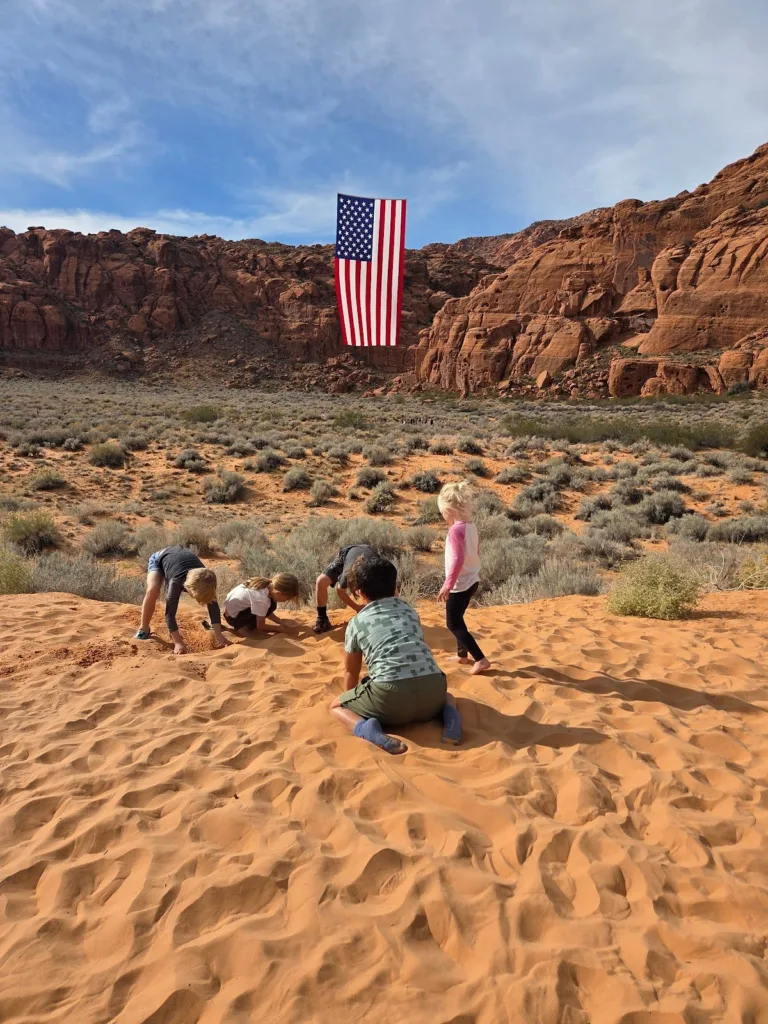
Microschools, by contrast, can be very niche. The niche I wanted to fill was to create intentional community, a place where kids could meet three times a week to plan and execute collaborative projects. Putting on a play is hard to do as a homeschooler, so we do that at my microschool. Hosting a Renaissance Festival, holiday parties, debate club, and tag games are all things we do really well here. My goal is to continue to do those things really well by not spreading ourselves too thin, trying to be all things to all people.
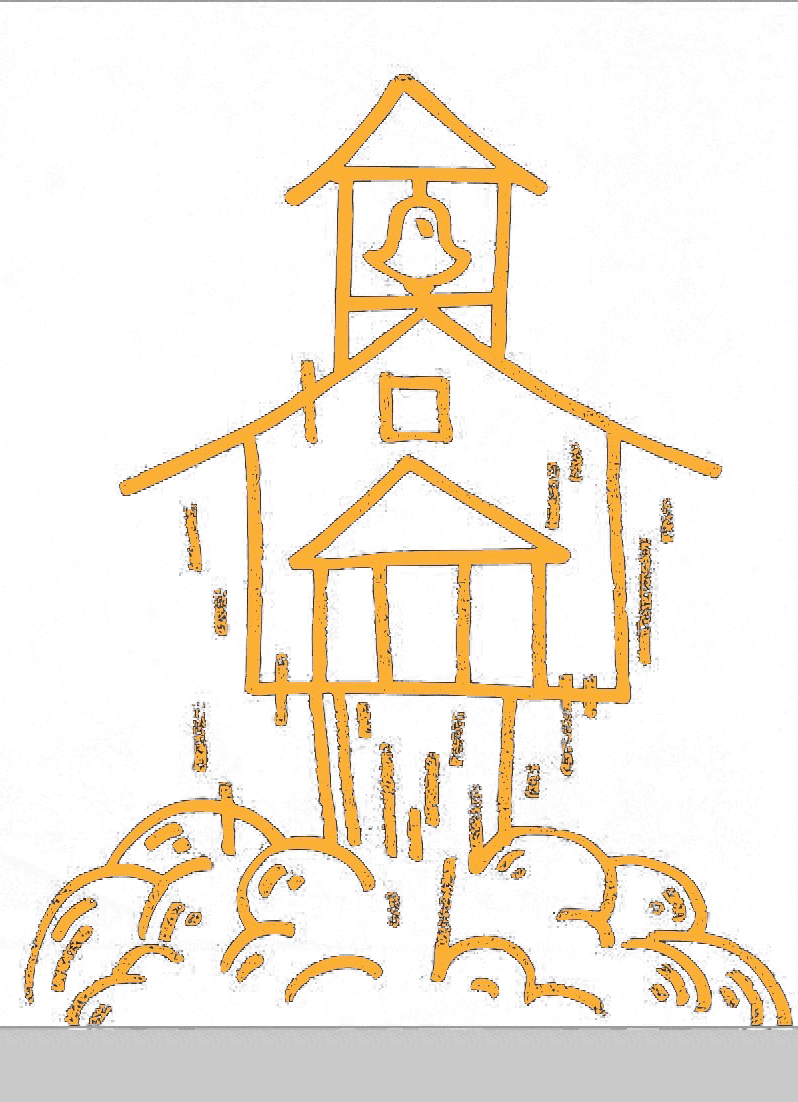
I also think hybrid programs help create an important cultural shift. My families know that I can provide an environment for these types of educational experiences really well, but they do not see me as the single institution that will teach their child everything they could ever need to know. They know that The Treehouse is a piece of their child’s overall educational journey, but in the end, the responsibility for their child’s education as a whole lies with them.
This mindset shift would be one of the best things that could happen to public schools. If parents see their local school as a resource available to their family, rather than the end-all-be-all of their child’s prospects for success, they can properly evaluate when said resource is meeting their needs, and make decisions when it is not. If an empowered parent knows that their child’s education is their responsibility, a school setting that isn’t working for their child just becomes one of many options to consider. They can use the parts that are working and homeschool or microschool the rest. They can do some online and some in-person. They can opt out for the year entirely. They can learn more about how their child learns and the supports they need, so they can build it for them, rather than expecting the public school to meet all the needs of all the people. And might it benefit the schools as well if the teachers could also remind parents that the ultimate responsibility for their child’s education is theirs?
I feel fortunate that so far Utah has held some space for hybrid programs in their Utah Fits All provider requirements. I, along with several other schools, have been able to continue to offer affordable pricing to ESA students for a blend of in-person offerings 2–3 days a week with online or take-home work made available for home learning at the child’s pace.
We have already seen how universal school choice funding in Utah has created a host of new options for families to mix and match in finding their child’s right educational fit. Innovation has flourished, and children are thriving in new spaces. Now, we must be vigilant in protecting ingenuity from the stifling hand of over-regulation. Unfortunately, the nature of public funding will be that I will always need to keep track of changes in policy and procedure if I continue to serve families using this scholarship. But the freedom to teach in a way that truly meets the needs of these families is worth that cost.