In 2026, the Foundation for Economic Education (FEE) marks its 80th anniversary—eight decades of championing individual liberty, limited government, free markets, and entrepreneurship as key contributors to human progress and prosperity.
FEE founder Leonard Read had a mission “to discover, gather and to fasten attention on the sound ideas that underlie the free market economy which, in turn, underlies the good society.” Our team is as passionate about this mission today as Read was all those years ago, and we are using this anniversary as a way to showcase these “sound ideas” in creative ways.
To celebrate this milestone year, FEE’s Education Entrepreneurship Lab is unveiling our “80 Founders Changing Education” social media series, drawing attention to school founders who are embracing free-market principles as they start or scale their enterprises.
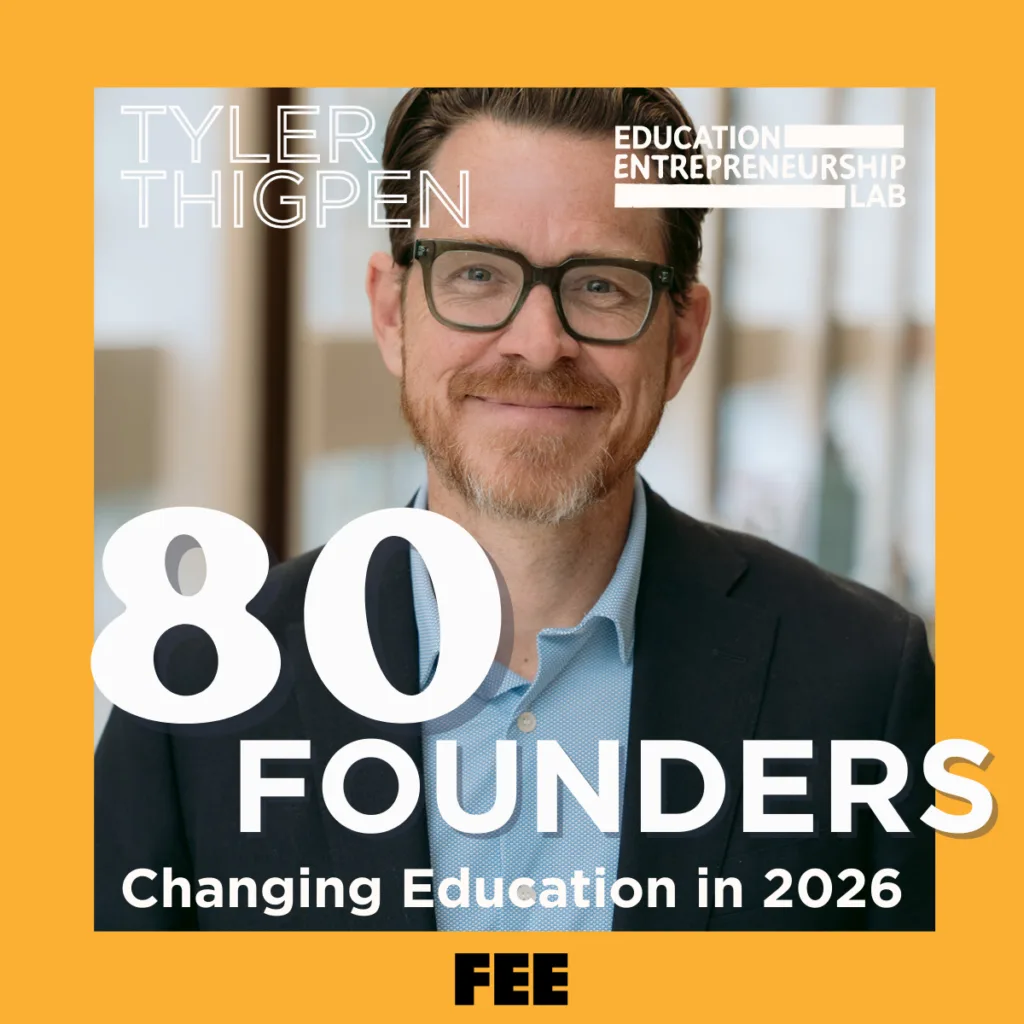
Check out our Lab’s Instagram page to see these founder spotlights, beginning with Tyler Thigpen, co-founder of The Forest School: An Acton Academy in Georgia and The Forest School Online. Tyler was also one of the finalists of the 2025 FEE Enterprising Founder Award, writing: “We see free-market principles not as abstract economics, but as living forces that keep our schools responsive, accountable, and innovative.”
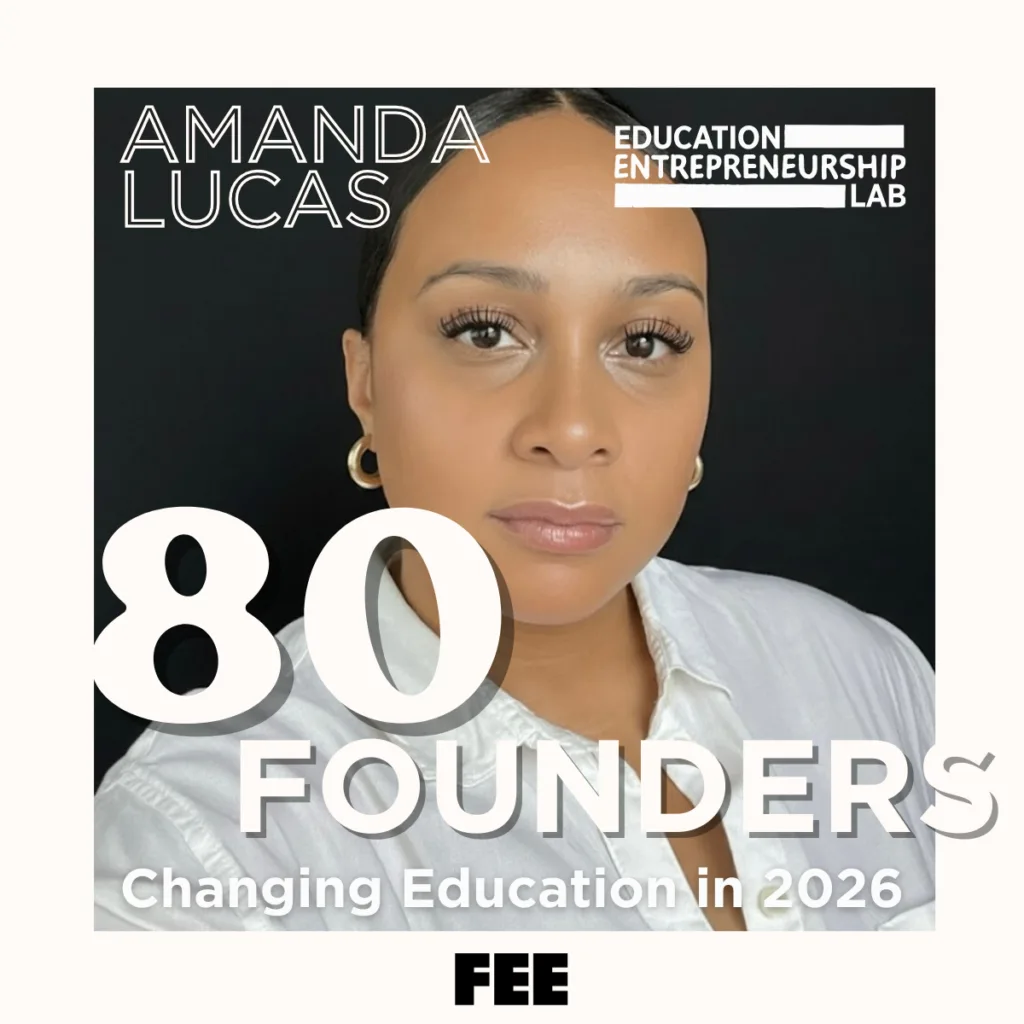
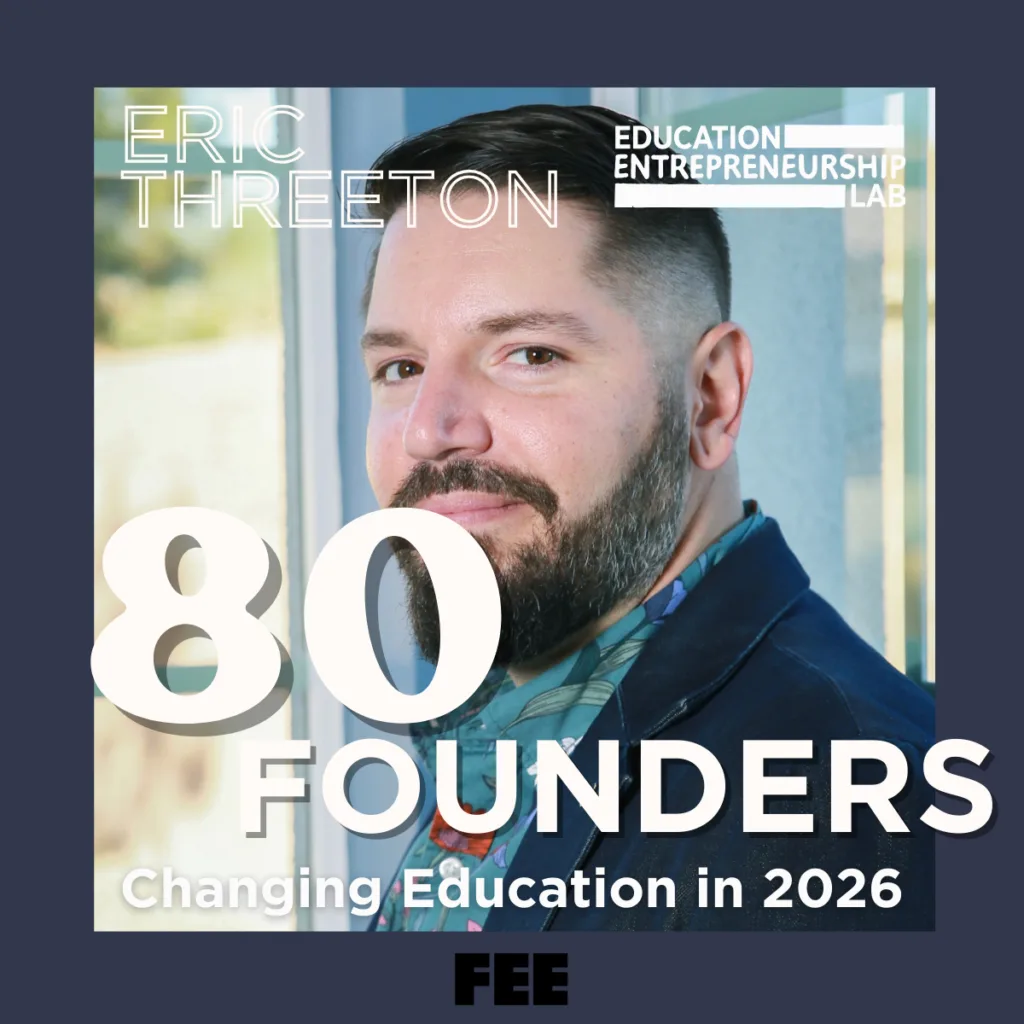
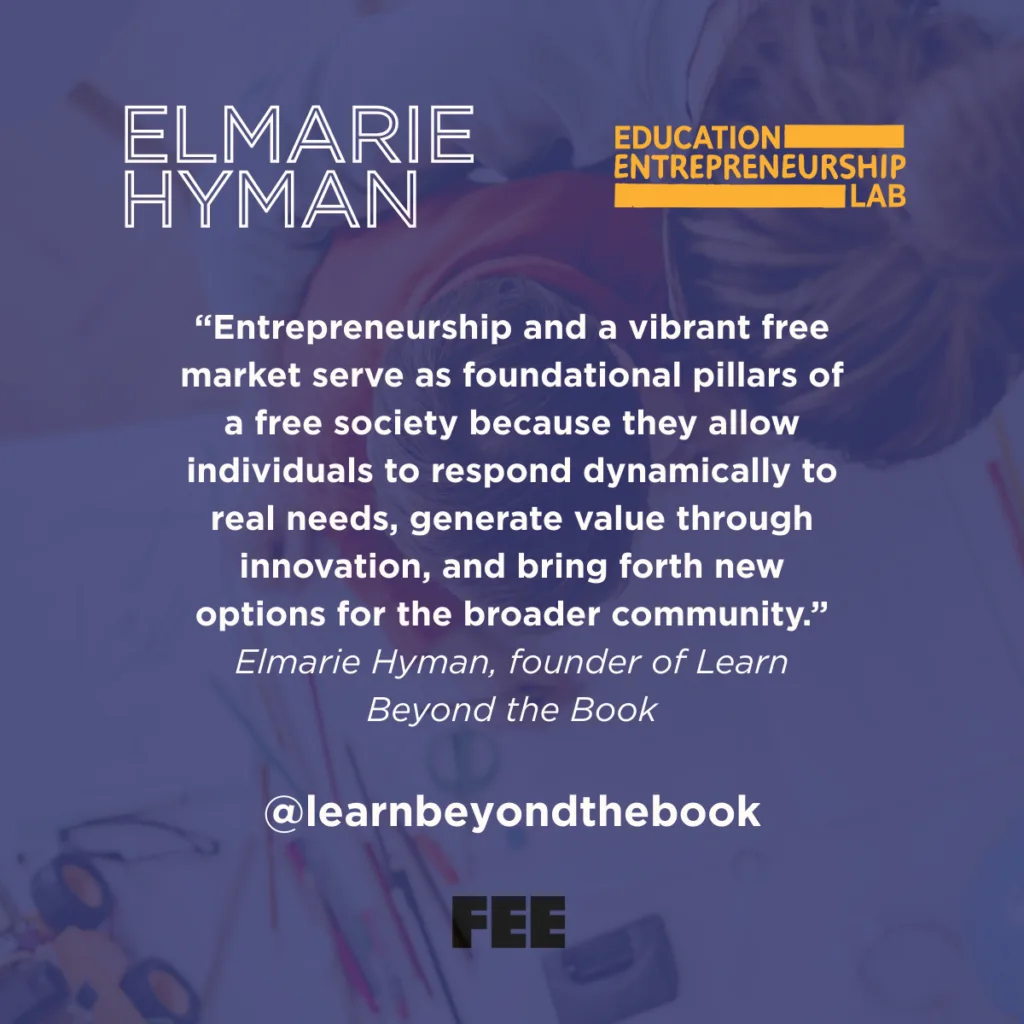
Other recent spotlights include Jill Haskins, founder of Kainos Microschool in Indiana; Eric Threeton, co-founder of the Nevada School of Inquiry in Las Vegas; Elmarie Hyman, founder of Learn Beyond the Book in California; and Amanda Lucas, founder of Lucas Literacy Lab in New Jersey.
Each week, we will be showcasing founders who are changing K-12 education through a diverse, decentralized education marketplace. They reveal an educational reality today that Leonard Read could only have imagined.
In his classic 1964 essay on the topic, Read predicted the “brilliant steps that would be taken by millions of education-conscious parents were they and not the government to have the educational responsibility.” He envisioned “thousands of private schools, large and small, not necessarily unlike some of the ones we now have.” He talked about “tutoring arrangements of a variety and ingenuity impossible to foresee,” as well as “corporate and charitably financed institutions of chain store dimensions, dispensing reading, writing, and arithmetic at bargain prices.”
Now, we are observing this great “variety and ingenuity” in K-12 education, thanks to the visionary education entrepreneurs who are building the schools and learning spaces that families increasingly want.
Please be sure to follow our Instagram page and be inspired by these amazing founders!