Most parents discover it in an ordinary moment. They sit with their child, homework on the table, and realize something deeply uncomfortable. After spending 13 or more years in a classroom themselves, they are not confident helping with middle-school or sometimes even elementary math or reading.
This is not a personal failure. It’s a systemic one.
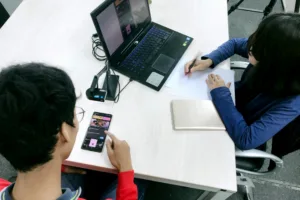
Recently, a mother of a 5th grader engaged me to tutor her child. I had been assured that this was a bright student, at the top of her class academically. After an initial assessment, it was clear that the learner’s math skills were 2 years behind. This was not a disengaged parent. This was a concerned parent who had noticed a problem and asked for help, because she felt unprepared to intervene herself. Most parents don’t realize that there’s an issue until gaps are large, visible, and painful.
This should raise a collective alarm. Why do so many parents feel compelled to perpetuate a system that left them unprepared? A system that leaves parents unequipped to support basic learning has failed twice: first, the learner, then the adult who trusted the system to prepare them for life.
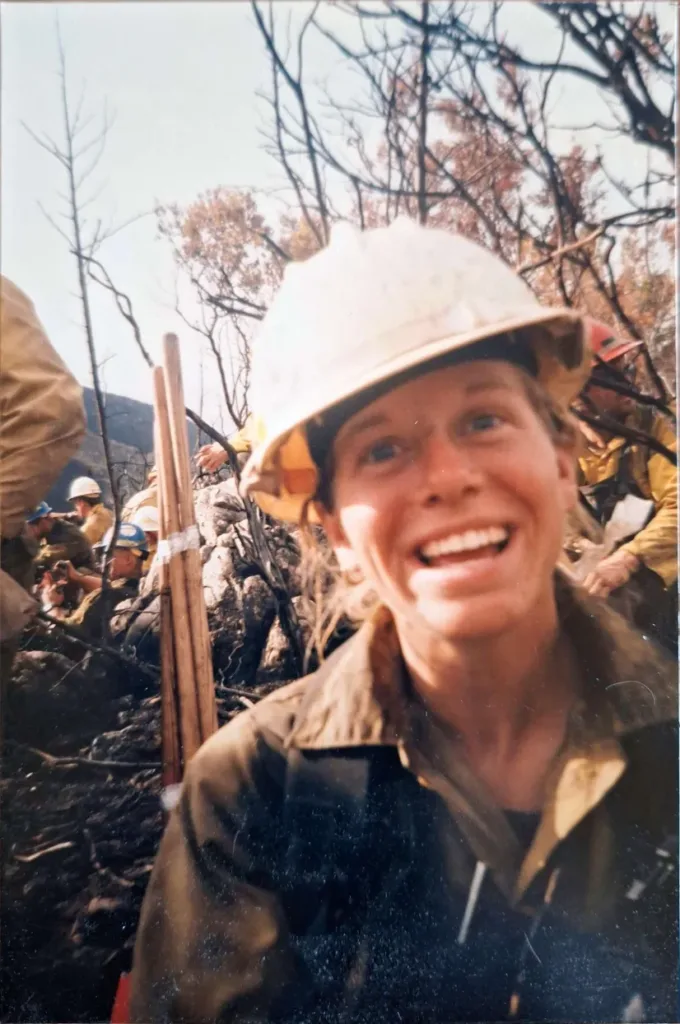
As a former wildland firefighter, I have seen firsthand how empowering those closest to the crisis results in a flexible and efficient response. In firefighting, decentralized decision-making empowers self-managed teams, provides for a timely response to emerging threats, and creates an environment of trust and shared goals. Imagine a fire management strategy that relied on an assessment from someone remote from the fire’s origin to make all the decisions. Would we expect them to know where to put the fire line, when to start the burnout, or if more resources are urgently needed? The fluidity of the situation on the ground demands that decisions be made by those engaged directly in the battle. If we can trust firefighters to make decisions in the high-risk theater of firefighting, why wouldn’t we trust families to act in the best interest of their child’s educational needs and to search out additional support if necessary?
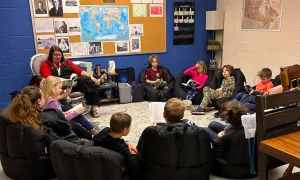
Alternative education functions like crews on the fireline during direct attack: agile, innovative, flexible, and solution-centered. Because of this, they are uniquely positioned to solve problems as they appear. Education programs focused on mastery can help fill gaps and build real learning in a meaningful way. Smaller average class sizes facilitate transparent communication, individualized skill-building, and personalized goals. These cohorts can focus more intently on durable skills like character, collaboration, leadership, and critical thinking.
Why has the status quo in education remained almost wholly unchallenged? We are conditioned to believe that learning requires credentialed experts, formal programs, and, most importantly, institutional permission. So, when parents sense that something should be done differently, they hesitate. Deviation feels risky. Acting independently feels irresponsible. We forget that we are our children’s first teachers. Parents should feel empowered to define the educational experience for their children. Innovative models can help foster the skills, provide the resources, and facilitate change in how parents approach not only their child’s skill gaps but their own as well.
Learner-centered programs can adjust pacing, methods, and support as soon as a learner struggles. Parents are partners, not bystanders. Most importantly, empowering models restores the lost outcome: parental capability. When families are invited into the learning process, parents relearn alongside their children. They stop asking, “Am I qualified?” and start asking, “How do we figure this out together?” That shift changes everything.
The real question isn’t whether a school earns an “A” rating. It’s whether parents feel capable, learners are supported early, and gaps are addressed. Microschools support families to produce confident learners and help to empower parents every day. While some learners benefit from a traditional system, for a growing number of families, a decentralized, innovative option is just the solution they are looking for.