For our family, learning didn’t follow the traditional school calendar, and the results look nothing like traditional school outcomes.
Years ago, when I started homeschooling our three kids, I made the rookie mistake of trying to replicate the traditional school system. Up early, hours of instruction, correcting pages of work, and the outcome was inevitable. I soon discovered that not only was this time consuming and exhausting; it was also unnecessary.
I was fortunate to have a veteran homeschooler guiding me when we started. She gently nudged me to consider what a more bespoke education could look like. We intentionally chose a family-centric calendar over an institutional one, and before long, we were schooling a couple of hours a day while holding space for interests, hobbies, and relationships.
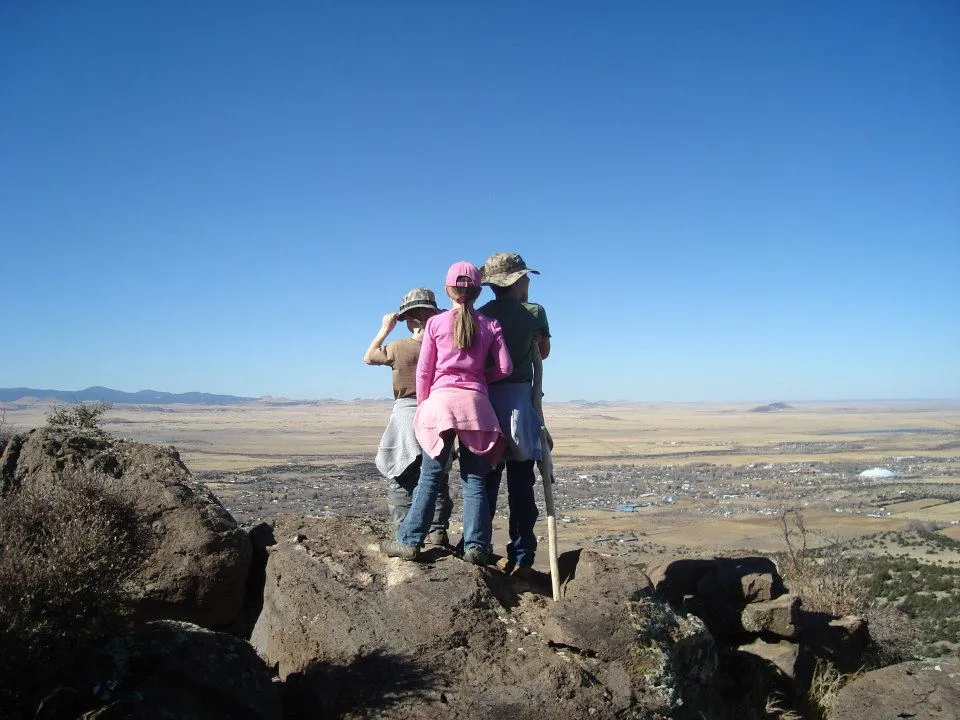
At the time, our family lived remotely in Southeastern Arizona, and peak summer was not ideal weather to be outside. In the desert, our summer days were not spent at the pool or on the playground, but more likely dodging rattlesnakes and trying to prevent heat exhaustion. For us, summer meant hot, dry, and sometimes dangerous conditions. We quickly adopted a more natural cadence that better fit our location and lifestyle.
My husband was a career wildland firefighter. He was rarely home for more than a few days during the height of fire season, and then away managing prescribed fire when needed. For nearly two decades, he averaged more than 200 days on the fireline each year. Except for the December he was called to Israel, we could usually expect to be together between Thanksgiving and New Year’s Day. As a result, we fully embraced the enormous freedoms that homeschooling had to offer. When he finally made it home, we set aside our schooling. No worrying if we were going to run up against arbitrary overages of absences, no permission slips or extra make up work, just family time. Camping, hiking, traveling—all the activities traditional school systems constrained to summer—we were able to experience on our time line. For years this was our normal. School in the heat, and recharge during the holidays. These were golden years.
We watched others in our extended family rush to fit in family trips during summer vacation. They suffered through the stress of overbooked spring breaks, the exhaustion and expense of peak demand travel windows, and missed opportunities, all due to the constraints of the traditional system. Competing calendars and schedules dominated their life, dictated their availability, and drove their priorities.
Meanwhile we reclaimed ownership of our time.
Nontraditional learners are not less committed. In fact, we are often more intentional. As the kids grew and their educational aspirations developed, we adapted. The hours of their schooling expanded as they chose more challenging subjects, took up musical instruments, and chose to compete in athletics. Our children internalized the lesson of designing a life of meaning, purpose, and value. They thrived where others hesitated. They stepped up when others stepped back. They sought out experiences in programs that required them to compete for selection. They took risks, sometimes failed, learned, and forged the courage to try again.
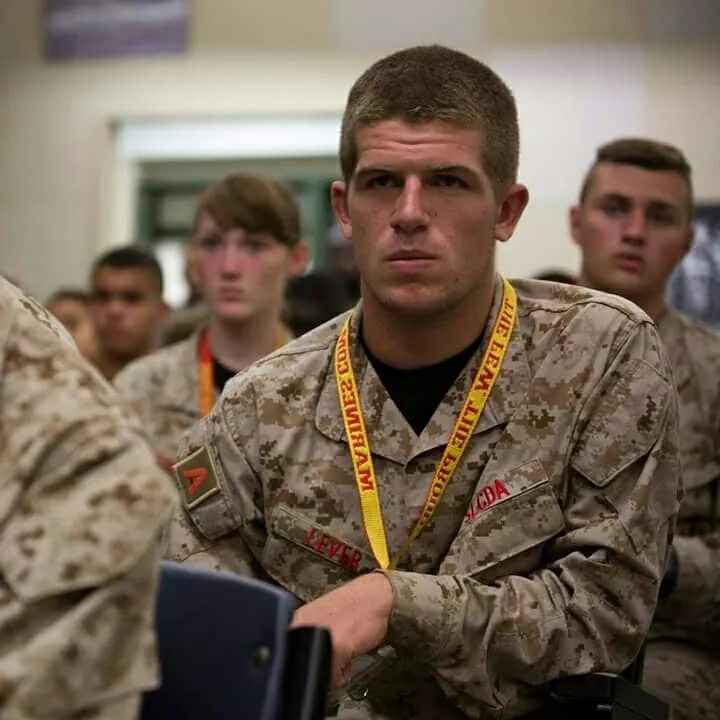
At 15, our eldest son decided to attend the Navy SEALs wrestling camp at the United States Naval Academy (USNA). As a rising junior he was selected as one of 9 students to represent the state of Arizona at SLCDA, the Summer Leadership & Character Development Academy sponsored by the United States Marine Corps. Again the USNA was his choice the next summer when he was selected for Summer Seminar. All of these opportunities demanded that he spend his summers in physical and mental readiness. These experiences prepared him to earn Honor Man—top performer—of his company at boot camp. He craved the challenge, chose learning over comfort, and continues to embrace those ideals today.
Our daughter coveted her brother’s experiences and went looking for a similar challenge. At just 14, she was too young to apply for any of the programs that her brother attended. Instead, she covertly contacted the Arizona liaison for the USMC Devil Pups, a rigorous physical and academic citizenship program for teenagers, whose motto is “growth through challenge.” She claimed the points for most physically fit female in her cohort as a Pup, returned the next year as a student leader, and earned the title of sole Honor Eagle. Eventually she would spend her senior year of high school abroad working on a cattle ranch in Sonora, Mexico, immersed in the culture, language, and history of the community. Her bravery and grit continue to impress.
Not to be out done, our youngest, a boy, dove into music. He mastered seven instruments plus vocals in eight years. At age 10, he built himself a forge to explore an interest in bladesmithing after taking a class during a mother–son trip to New Orleans. He was also a Devil Pup, and an Honor Eagle, twice. At 16, instead of PE class, he was choosing to do 400 pullups (yes, 400), plus 1,000 sit ups and pushups every day, and running 100 miles a week to secure a perfect physical fitness score on the same test as an adult Marine recruit.
He continued to excel in athletics, academics, and music throughout his homeschool years. Eventually, he longed for a grand adventure and chose to spend the second semester of his senior year working on the north slope in the Alaskan Arctic. He fearlessly navigated solo travel, professional training, and extreme weather at 18 years old.
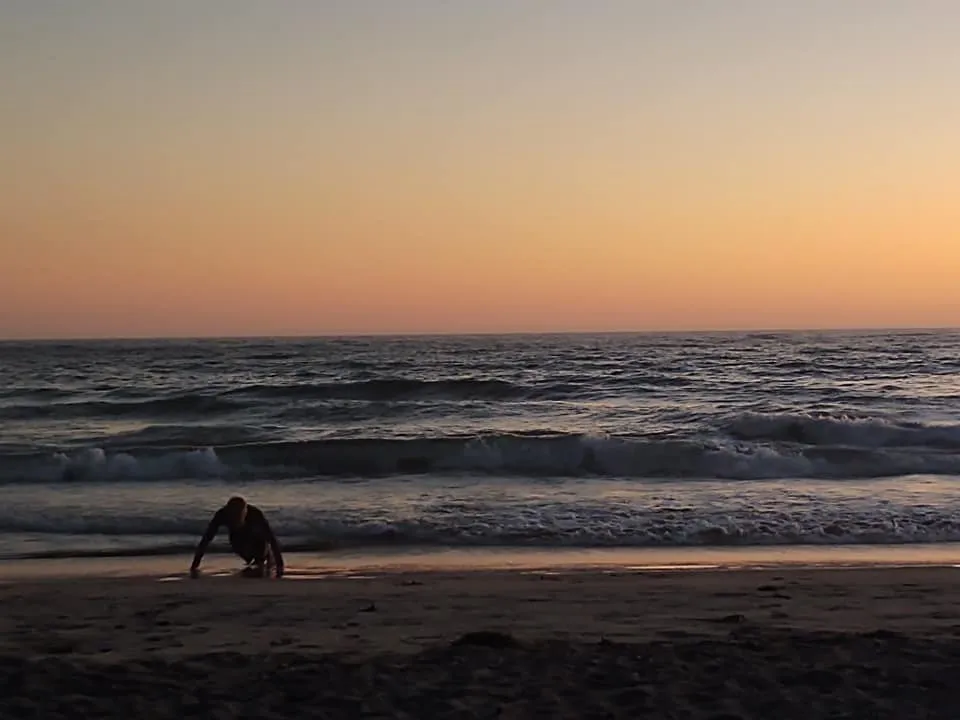
In the end, these decisions, to homeschool, to abandon convention and calendars, led to something far greater than we could have planned.
They instilled in our now adult children the courage to pursue their own paths, to embrace challenges, and to believe in their ability to contribute something meaningful to the world.
What we built was not just a different schedule. It was a different relationship with time, learning, and responsibility.
When families are free to design their own calendar, learning expands, adapts, and follows opportunities instead of tradition.