What began as a casual chime-in with Gaby Narvaez, co-founder of Groupito, quickly shifted into a sobering realization: our sons are growing up in a world where our native tongues could become artifacts of the past. In a future increasingly dominated by screens and standardized education technology, the heritage of our community is at risk. But in South Florida, Narvaez is seeing a powerful shift. Latin communities crave better schooling; they are demanding culturally relevant programming that preserves their roots before it is too late.
The Rise of the Micro-Ecosystem
Our conversation, seasoned with hand gestures and peppered with rapid-fire Spanish, as is typical of two passionate Latino entrepreneurs, eventually turned to the mission of Mi Groupito, a Spanish playgroup for local families raising bilingual kids. Gaby shared that her rapidly growing following demonstrates a demand for Spanish-language library story times and homeschool events tailored to Spanish-speaking families. This isn’t just a niche trend; it is part of a massive national movement. According to the National Microschooling Center’s 2026 American Microschools Sector Analysis, which surveyed 1,000 microschools across all 50 states, these homeschool and microschool programs serve as laboratories of innovation for families who have walked away from the one-size-fits-all model.
Yet, this innovation comes with a cost. The same report highlights how microschool founders spend an average of nearly 100 hours each year on compliance-related tasks; hours that could otherwise be spent mentoring the next generation. Despite these regulatory hurdles, the spirit of educational freedom is thriving, bringing hope to Latinos by the expansion of Education Savings Accounts (ESAs) and school choice policies in states like Florida, Arizona, and Texas.
Connection as a Catalyst for Culture
At the roadschooling nonprofit Miles4theMinds that I founded, connecting families with nature is a top priority. Similarly, Narvaez says language preservation is a top priority for her program and the community it serves. She is redesigning the social fabric of how learning happens, en español.
As Elena Dussaq, president of Bigger Picture US, recently noted regarding the launch of the Be The People initiative, “Across the country, people are stepping up every day to strengthen their communities, solve problems, and create opportunities for others.” This is exactly what we are seeing in the education space. Through the Storytellers regional group in the VELA founder network, entrepreneurs who are building alternative education environments are speaking up because they believe families in under-resourced communities deserve high-quality, culturally affirming options.
Join the Movement
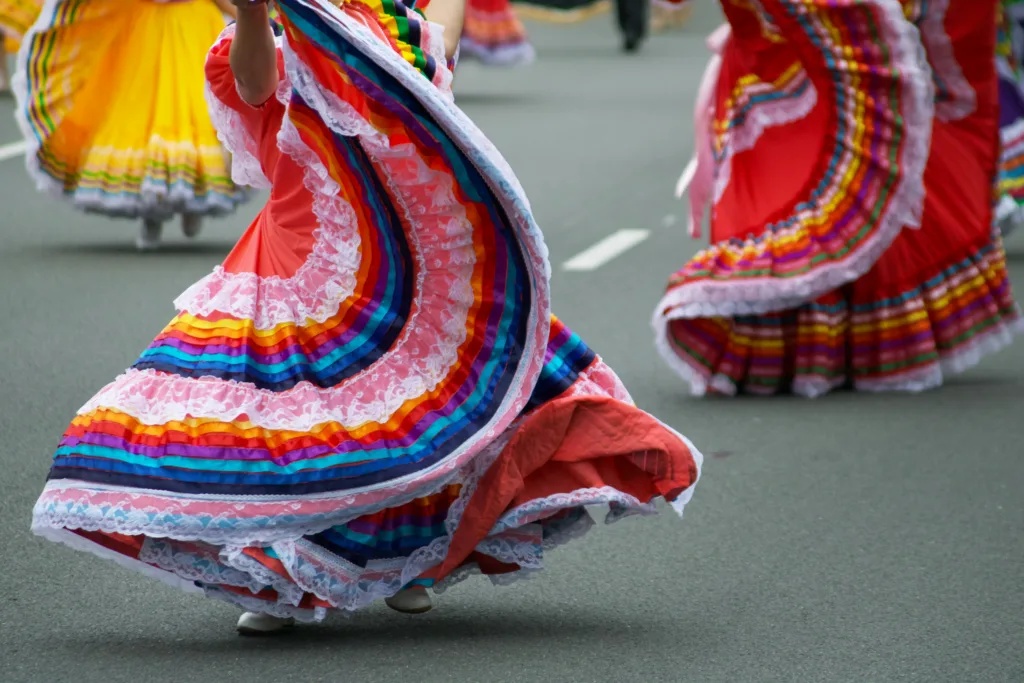
Latin roots are worth preserving. Hearing, reading, and experiencing the Hispanic language in an educational setting is a powerful act of reclamation. In South Florida, a new era of educational freedom is enabling Latino families to find learning environments that reflect their values and their voices. We are at a crossroads: We can either let our heritage fade into the digital background, or we can leverage this era of school choice to build a future where our children are both tech-literate and culturally grounded.
Heritage is not some inanimate object displayed in a museum. Spanish is a living language that requires a vibrant ecosystem to thrive. As we scale the Indie Ed movement, Latino founders are facing unnecessary hurdles. Here is your invitation to join the movement. Let’s advocate flexible policies that remove administrative burdens from education entrepreneurs. We should explore how Education Savings Accounts empower families to choose culturally affirming pathways and engage directly with the work of homeschool programs such as Mi Groupito and Miles4theMinds. Together, we can ensure that the next generation remains tech-literate and richly rooted in the stories of their ancestors.