I just returned from Utah. The crisp, cool air hovering around 45 degrees and mountains dotted with clumps of autumn-colored trees felt like a warm welcome. Utah was my home in college, and then again when I started a small Montessori preschool homeschool group with other young moms over 20 years ago. Picking apples with my littles in the backyard and falling into big, colorful leaf piles were just the things we’d do during those crisp fall days. Those leaf piles were a beautiful mess to enjoy before the first snow. It made me think about my journey as an educational entrepreneur—beautiful and messy.
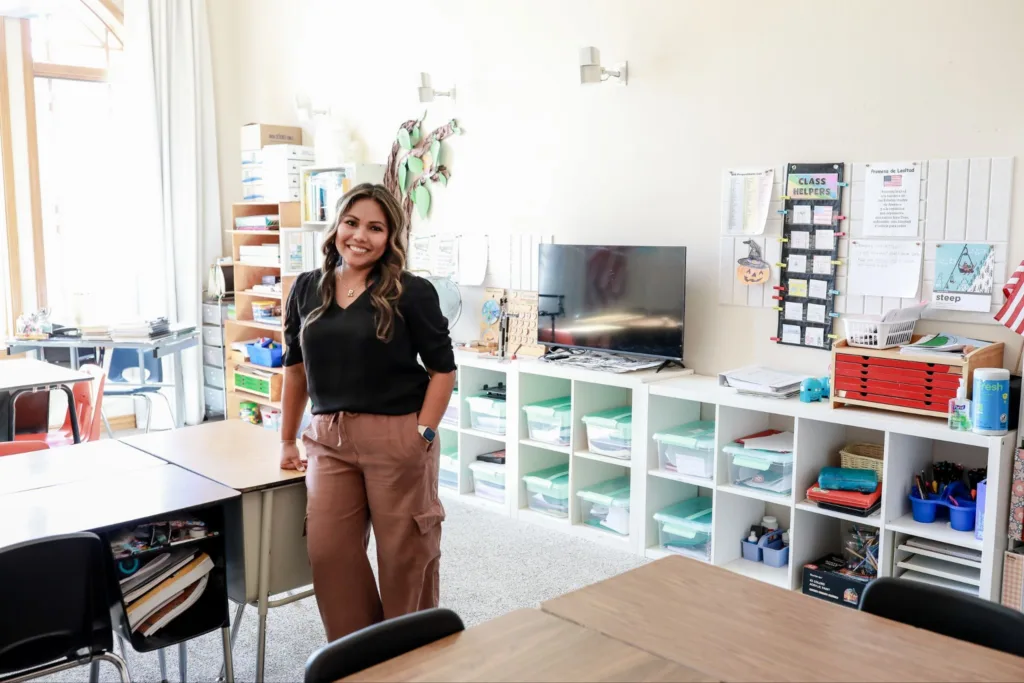
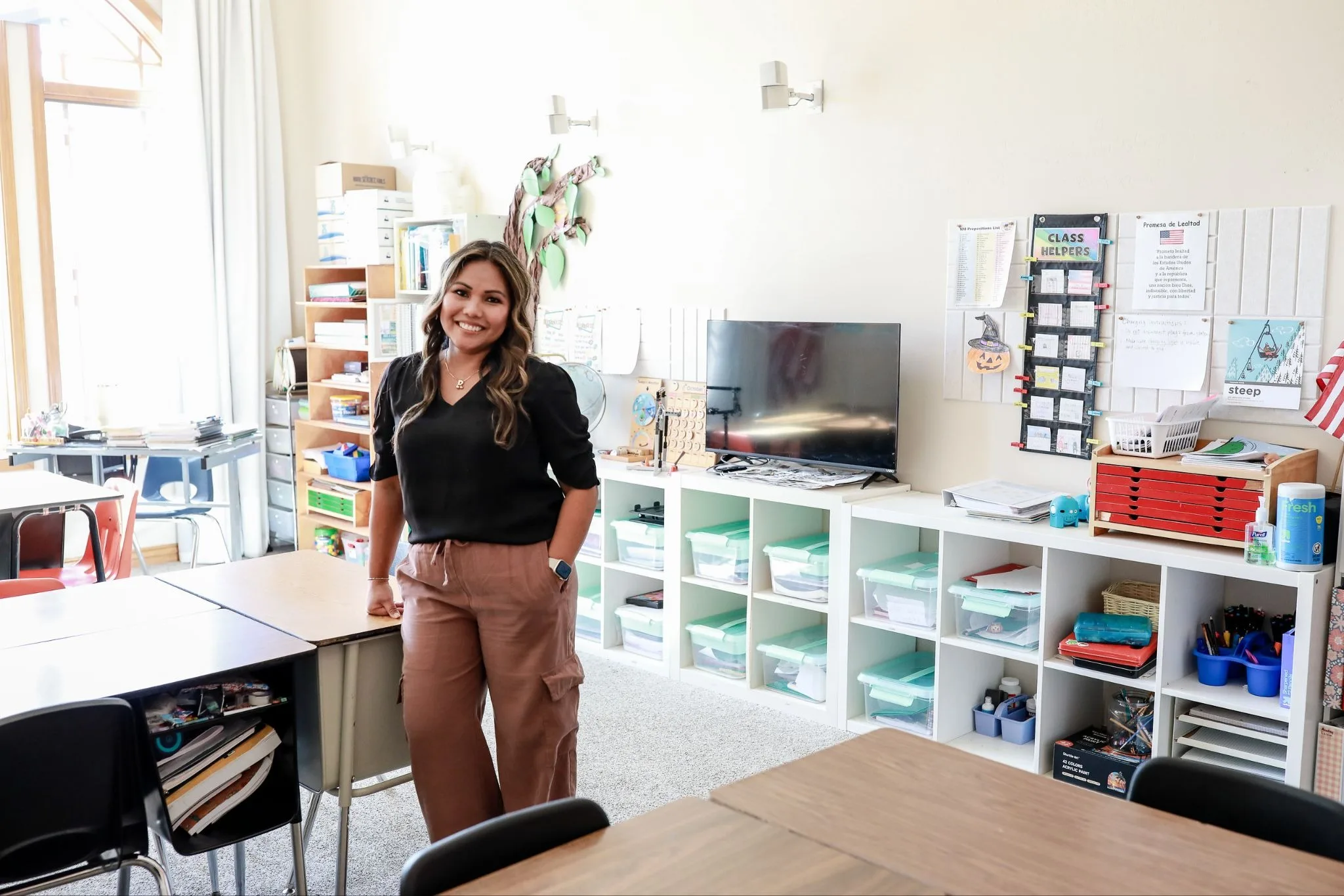
Arizona is now my family’s home, and I have gone from directing a small Montessori preschool for over 10 years to founding my own microschool in 2020. That year was messy, but I can look back and appreciate the many beautiful things that came of it, including microschooling and the proliferation of alternative forms of education.
My founding group consisted of 10 K–2 children, most of whom I’d taught in preschool (including 2 of my 7 kids). At first, it was a Band-Aid for the problem of closed schools during the COVID-19 pandemic, but by the end of that first year, my kids wanted to keep going, so I did. My school now serves grades 3–8, and I can’t say enough about what a beautiful (and messy) experience it’s been for me, as an edupreneur and a parent. I truly love the freedom to provide a personalized learning experience for our learners.
In the beginning, the challenges were figuring out the day-to-day and deciding what to include—curriculum, routines, technology, and navigating COVID-19, among other things. No playbook existed for running a microschool, and despite my preschool teaching experience, I still worried my kids were missing out by not going to traditional school. Prenda helped me get started, and I felt a bit more confident. I saw children leave school happy, more curious, and eager to learn. We could delve into any topic and be as creative as we wanted. What seemed like a mess resulted in something beautiful.
There were years I felt successful; other years, like a failure. Just when I think I’ve figured out what works, I meet children for whom it doesn’t. I’ve questioned whether I have done enough for each child. Over the years, I’ve learned that success requires self-grace, constant reinvention, strong connections with each learner, support and partnership with parents, and a clear vision for their success. I find myself returning to my Montessori roots a lot and relying on the mantra “Follow the child.” This philosophy has proven golden in my quest for the ultimate personalized experience. Curiosity is piqued, learners become self-driven, and I simply follow their lead while maintaining clear boundaries and structure.
With engaged students, the classroom dynamic is powerful, and ideas never seem to run out. I’ve seen not just incredible growth on paper—like some students achieving up to 400% of annual typical growth (i-Ready) in one year—but also immense growth in intangible, harder-to-quantify areas like self-motivation, leadership, independence, mindset, and character.
Today, the challenges of running a microschool still feel similar to those of that first year, though in many ways they’re different. I still pore over curricula and programs, continually evaluate our daily routines and processes, and fine-tune them for the children who attend.
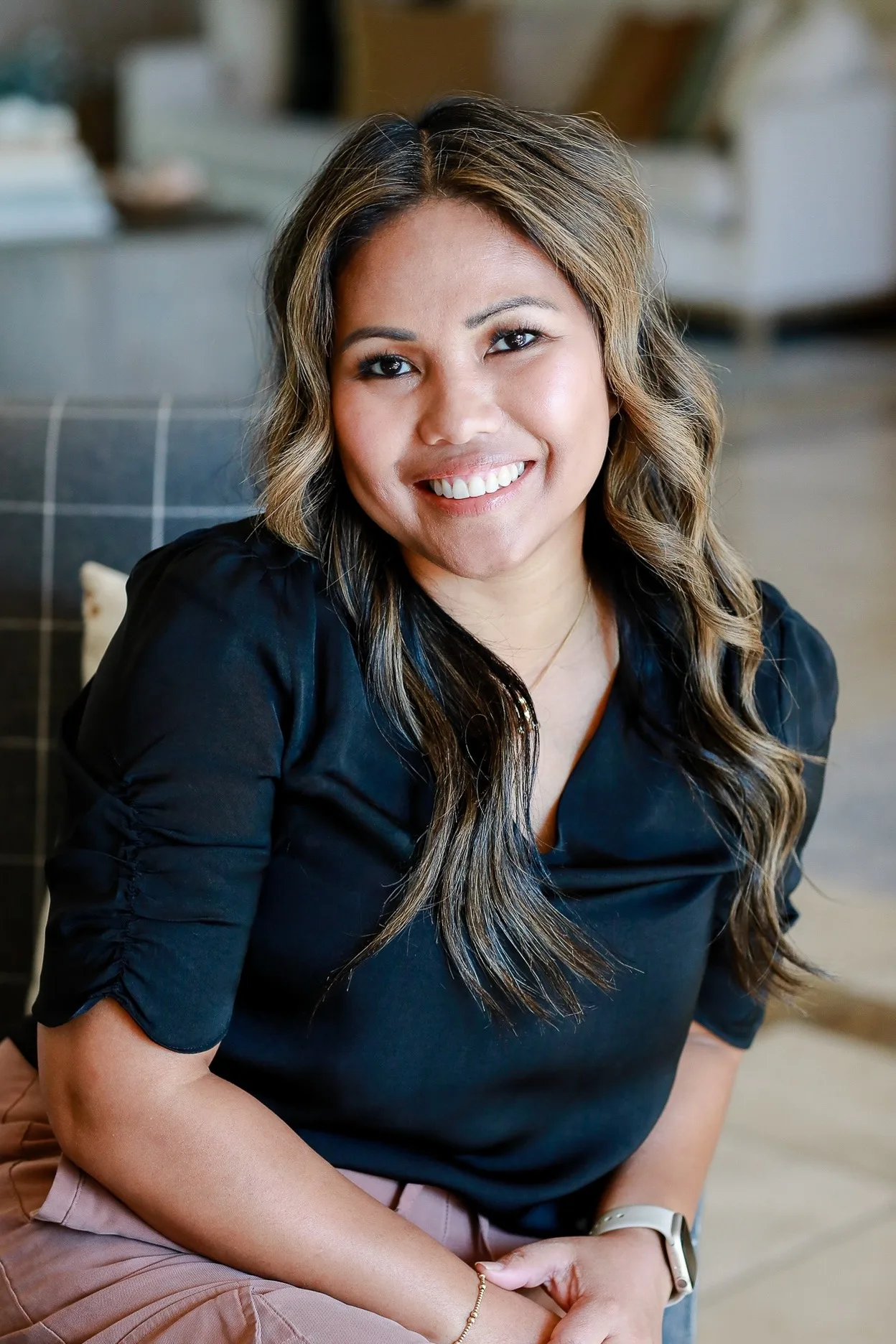
While that remains the core of my work, I’m also growing and creating alongside my students. Like my preschooler jumping into big piles of autumn leaves, I’ve spent the last six years in my own beautiful mess, researching, piloting, experimenting, redesigning, developing, and innovating as if my classroom were my sandbox of endless possibilities. I love that our work goes beyond teaching!
Looking ahead, I face new challenges: how to stay sustainable long-term, how to grow and distinguish our school model amid an ever-changing landscape of educational choice and new policies, and what kind of legacy to create. It’s a complicated job, to say the least, and I am grateful to other education founders for their continued inspiration and support as we navigate both beautiful and messy parts together.
Much like that breathtaking autumn scenery I so admired in Utah, this has been a beautiful journey for me so far, mess and all. I’m no longer in the season I was in 2020. But just as the landscape changes with the seasons, so do our schools, our students, and our understanding of what it means to be an educator and founder. Six years in, I have come a long way, and yet there’s still so much more to figure out.