Earlier this month, in my debut article for a Jewish magazine, I wrote about my work innovating Jewish communal learning through the creation of decentralized, non-traditional Jewish learning spaces in my home city of Richmond, Virginia. As a homeschooler-turned-rabbinical-student, having a chance to talk about ways to leverage non-traditional education to make learning fun for adults meant so much to me.
Since starting my journey as a Jewish educator and rabbinical student, I’ve been on a mission to try and infuse unconventional learning into adult education within my local Jewish community as a part of my studies, utilizing the benefits of forest schooling, gamification, and hands-on learning experiences for adults who have felt disconnected from existing institutions. As a part of my rabbinical thesis, I wanted to see if adults unfamiliar with K-12 non-traditional learning could benefit from these very unconventional learning strategies. I decided to test my idea in practice and use the stories I collected as a case study instead of simply developing a theoretical framework, giving my thesis tangible evidence of success. And success, it has been.
As I was writing this article, it got me thinking. In education reform, we have talked a lot about unconventional learning as it pertains to K-12 education, but very little about how adults are also benefitting from this shift toward more enjoyable, community-centered educational experiences.
And I think it’s time we changed that.
The Case Study and Why It Matters
My work is a part of a larger trend to apply unconventional learning methods to adult education, including religious communal learning spaces. This has led to adult religious education becoming more accessible, especially for adults under 30 whose needs are not always met in existing institutions. People are craving new ways to engage with their faith and learn about their religion, and the integration of unconventional learning is providing those alternatives.
My program has a vibe almost like a homeschool co-op or microschool: small group learning, non-traditional locations, personalized curriculum, affordable fees, and hands-on projects. The only differences are that it’s designed for adults, and only has sessions every few weeks. The curriculum is especially unique because we are learning together like we would in a synagogue or a beit midrash (Jewish study hall)—but we are also bringing those opportunities to non-traditional spaces out in the community.
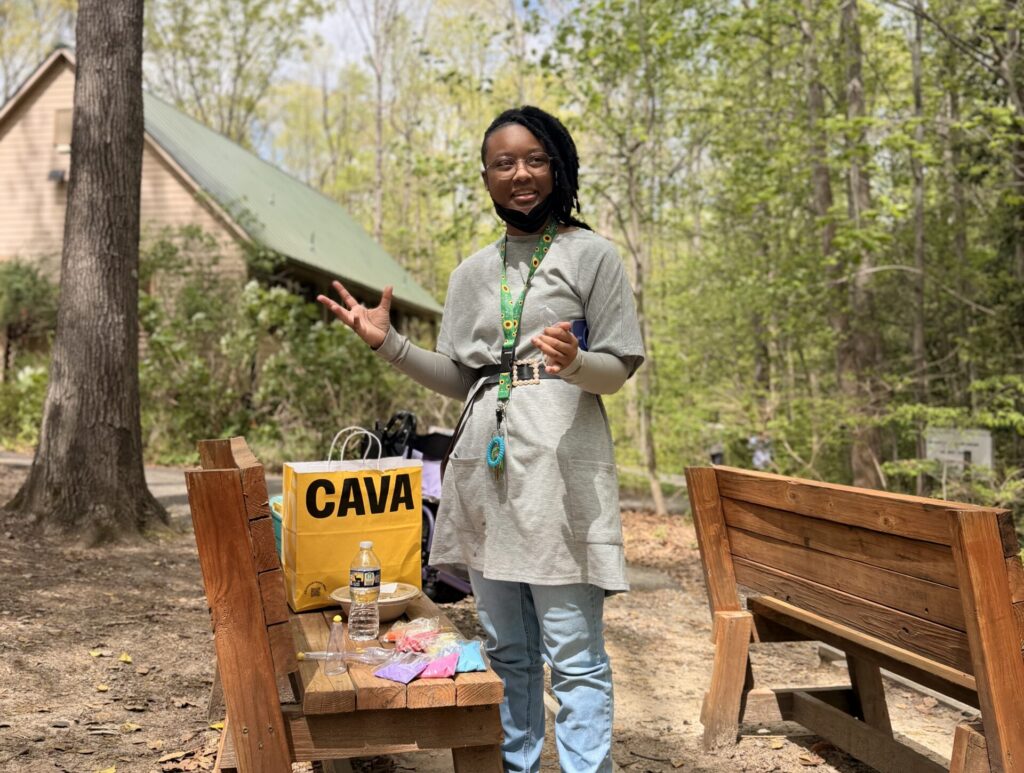
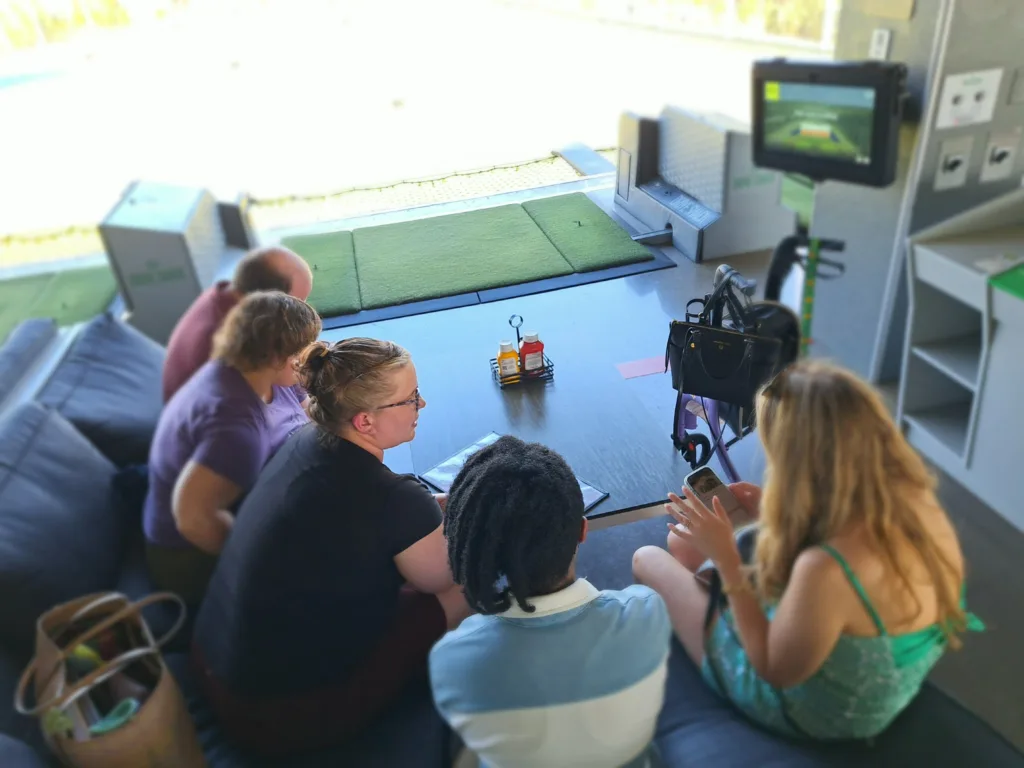
We’ve met up at golf driving ranges and forested parks for group study, explored complex texts through creative art projects at a local studio, and created community learning events that centered on structured discussions and hands-on small-group activities. We brainstorm solutions to real-world problems and embrace the unexpected, and everything is centered on the specific needs of the group. My community has fallen in love with this new way of learning, and we’ve grown from engaging 4 to 8 adults to over 70 through this style of programming. The wider reception to my article about it was also overwhelmingly positive!
What Can We Learn from This?
The trend is clear. The impact and reach of unconventional education is bigger than K-12 schooling; it is a gamechanger for adult learning as well. It’s time that we started thinking about ways to bring unconventional learning strategies to higher education, religious education, and more, providing a bright future for academic institutions of all kinds to meet the increasingly diverse needs of their learners.
What’s happening in Richmond is only a small part of a bigger shift. With the tools unconventional education has afforded us, we can reinvigorate adults and children alike to help them rediscover what it truly means to find joy in learning.