Last week, I watched my 1st-grade daughter walk to the front of a room filled with her K-8 peers. It was Karaoke Friday, and in the past, she’s always chosen to sit back and listen to others. But this day was different. She and a few friends got up and belted out some Taylor Swift. No self-doubt, just confidence and joy.
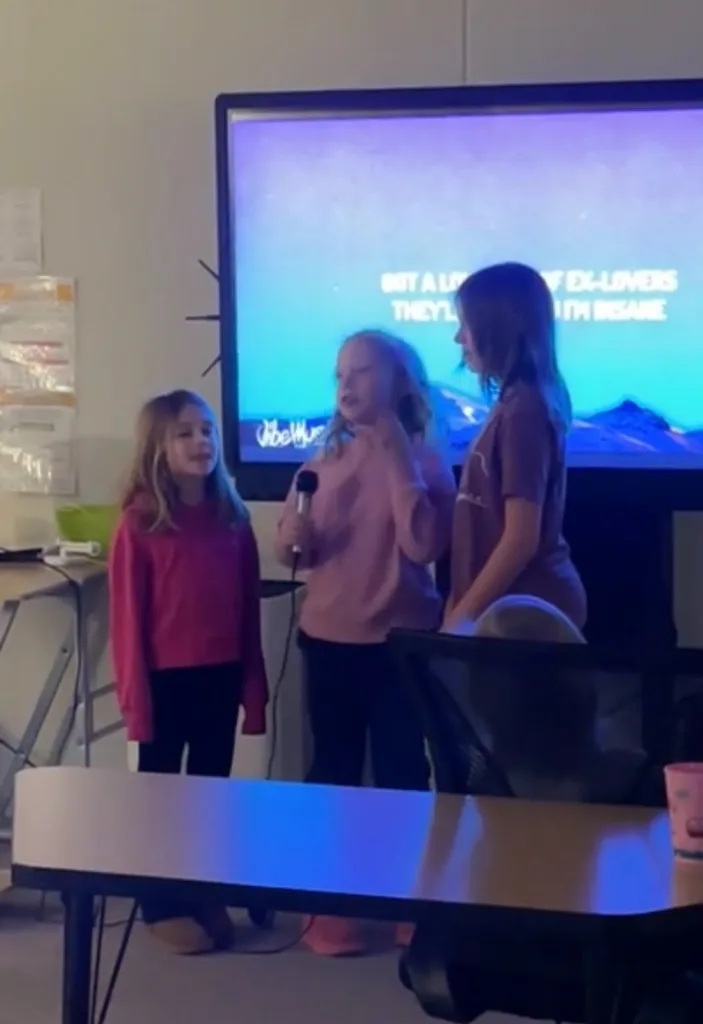
As I watched, I realized that this moment mattered to me far more than any math test or spelling list ever could.
In my undergrad and grad school, as well as for the beginning of my career as an educator, I’ve thought about education through the lens of academics. I was trained on curriculum, standards, and how to help students master the knowledge and skills they would need for the next grade level.
Over time, my experiences changed my viewpoint. But more than anything, becoming a parent changed the way I see school.
In my last article, I wrote about how people often struggle to agree on solutions in education because we value different things. Our perspectives are shaped by our experiences, our culture, and what we believe matters most. The other truth I’ve begun to understand is that our own values can, and generally do, change.
I have two children. My son is in preschool, and my daughter is in 1st grade at The Innovation School in Bismarck, North Dakota, where I am director and educator. Education now feels much more personal. When I think about what matters most for my own children, the list looks different from when I was a teacher. Yes, academics are important. But the qualities I care most about are the ones that shape who they become as people.
I want my children to develop confidence. I want them to believe that they are capable of trying something new, hard, and uncomfortable. I want them to become independent thinkers who trust themselves and can go out into the world on their own. I want them to build real self-esteem, the kind that comes through taking responsible risks and discovering that they can figure things out.
I want them to develop empathy, so they understand the feelings and perspectives of the people around them. I want them to show respect for others and for themselves. And I want them to be kind.
Watching my daughter stand up in front of an entire room of students and sing reminded me that school is about so much more than academics. It is a place where children begin to discover who they are and who they are capable of becoming.
As educators, we often focus on what children are learning. But as a parent, I have started asking a different question: Who are they becoming while they learn?