Every business starts before there is a business. Before the employees, payroll, storefront, or product, there is someone who sees an opportunity and decides to act. There is no assignment telling them what problem to solve, no rubric explaining what success looks like, and no answer key assuring them that they are headed in the right direction.
Our economy depends on people willing to make that decision. Entrepreneurs create businesses, introduce new products and services, challenge established companies, and create opportunities for others. That makes me wonder… where will the next generation of founders come from?
Not every child will grow up to start a company, of course. But the characteristics entrepreneurship requires (initiative, resourcefulness, adaptability, problem-solving, calculated risk-taking, and the ability to recognize opportunities) aren’t developed simply by learning the definition of entrepreneurship. They have to be practiced.
Think about a typical school assignment. The teacher identifies the problem, chooses the materials, establishes the deadline, and defines what success looks like. Often, the teacher even provides the steps students should follow. Then, after years of operating within systems largely designed by adults, we ask students to become independent thinkers.
Entrepreneurs operate in almost exactly the opposite environment. Nobody hands a founder a worksheet that says, “Here is an unmet consumer need. Identify a solution by Friday.” Founders have to notice the need themselves. They decide whether a problem is worth solving, determine what people value, allocate limited resources, and act without knowing whether their idea will work.
They also have to discover when they’re wrong. A founder might believe that she has created an incredible product, but consumers are under no obligation to agree. If nobody buys it, effort isn’t enough. She may have to change the product, lower the price, reduce costs, find different customers, or abandon the idea. That’s economics in its most practical form. Scarcity, opportunity cost, incentives, consumer choice, profit, and loss aren’t just vocabulary words. They are information people use to make decisions.
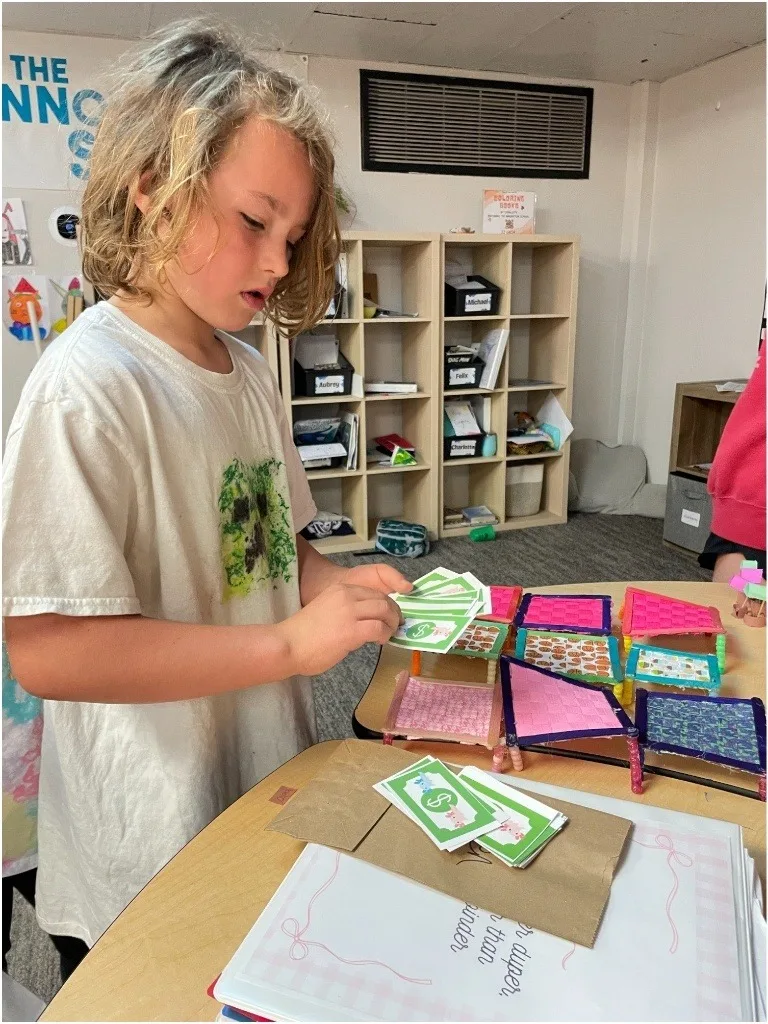
I’ve seen the difference when students get to experience those concepts instead of simply studying them. Put students in a marketplace where they create and sell something, and the questions change quickly: What do people actually want? How much will they pay? How much will my product cost to make? Why is someone else’s product selling while mine isn’t? Should I change my price?
Suddenly, the teacher isn’t the only source of feedback. A product that doesn’t sell is feedback. Running out of inventory is feedback. Spending too much on materials is feedback. Students have to interpret that information and decide what to do next. That may be one of the most important entrepreneurial skills we can develop.
Economist Israel Kirzner described entrepreneurship in terms of alertness to opportunities. Entrepreneurs notice something others haven’t: an unmet need, an inefficiency, a better way to solve a problem, or an opportunity everyone else has walked past.
Noticing a problem, however, is different from solving an assigned one.
That doesn’t mean that we should abandon explicit instruction or foundational knowledge. Students need both. But instruction cannot be the entire experience if we also want young people to become capable of identifying opportunities and acting on them.
The solution isn’t necessarily another entrepreneurship class, either. A student could earn an A in Entrepreneurship without ever behaving entrepreneurially. We can teach entrepreneurship by defining vocabulary, assigning chapters, and giving tests without ever requiring students to recognize an opportunity, make a trade-off, create something another person values, or recover from an idea that fails.
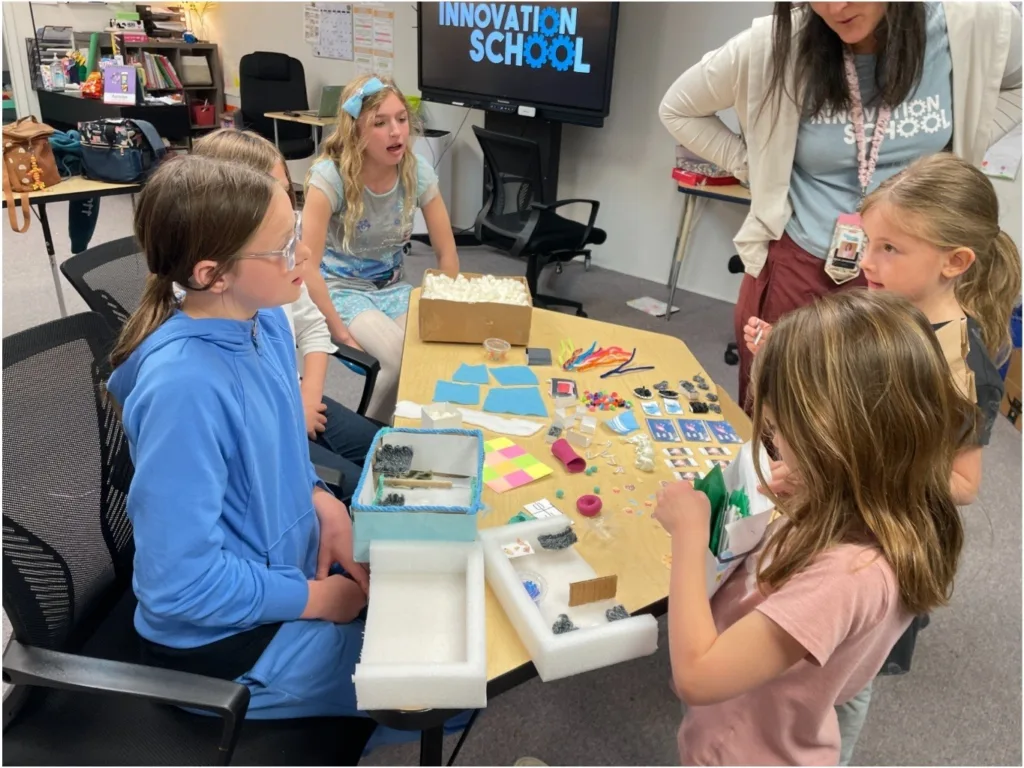
Instead, students need opportunities to practice entrepreneurship. Give them something real to build and limited resources with which to build it. Let them make decisions. Put their ideas in front of people who are free to say no. Let them discover that their first idea doesn’t always work, and give them the freedom to adapt.
We don’t need every student to become an entrepreneur. But our economy will always need people willing to build what doesn’t exist yet. For years, we’ve asked whether schools are preparing students for the jobs of the future. Maybe we should also ask whether we’re preparing some of them to create those jobs.