
I still remember sitting in one of my undergraduate education classes, writing out a lesson plan I was excited about. It involved collaboration, movement, and hands-on learning, and somewhere in the lesson I used the word fun. When the assignment came back, points had been deducted with a note reminding us not to use that word in professional lesson plans.
I was genuinely jolted by that feedback. I could not understand why learning was not allowed to be fun. Why was enjoyment treated as something less meaningful? Why did it seem like excitement and rigor were being taught as opposites? That moment has stayed with me ever since because it was one of the first times I began questioning my view on traditional education. Looking back now, I think that was the moment where my mindset around teaching truly started to shift.
In adult life, who seeks out things that feel completely joyless? Most of us naturally gravitate toward experiences that are engaging, meaningful, energizing, or fulfilling. We enjoy hobbies, conversations, projects, careers, books, travel, art, and experiences. Of course, not every single part of life is fun, and students absolutely need to learn perseverance, responsibility, and how to work through difficult or uncomfortable tasks. There are many moments in life that require discipline and endurance. But even knowing that, I still find myself asking: Why can’t learning be fun, too?
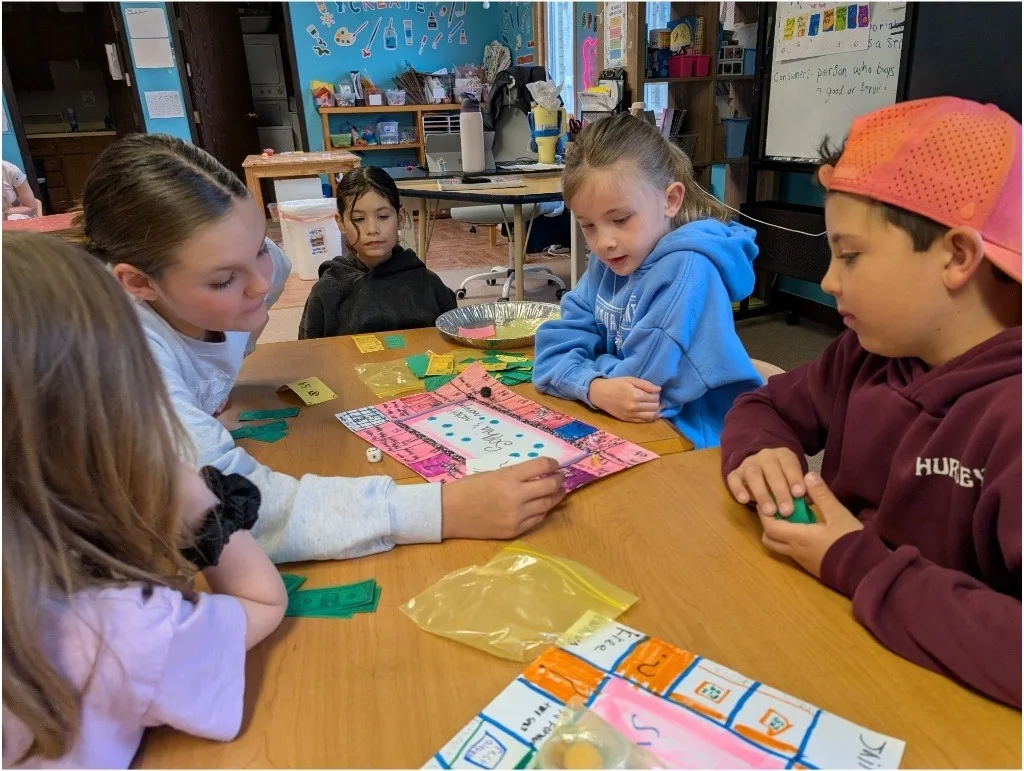
Somewhere along the way, many educators subscribed to the belief that if students are enjoying themselves too much, real learning must not be taking place. “Fun” became associated with fluff rather than substance, while serious learning was expected to look quiet, controlled, and measurable. As schools have become focused on testing, standards, pacing guides, and data, many classrooms have lost the energy and excitement that once made learning enjoyable. In our quest for achievement, many schools have traded student engagement for compliance.
When I think about the experiences students remember most, they are rarely the worksheets, packets, or assessments. Students remember building businesses during our axolotl marketplace project, participating in mock trials where they acted as attorneys and judges, creating inventions, performing in drama productions, launching rockets, cracking geodes open during science investigations, or working together to solve problems that actually felt meaningful to them. They remember the moments where they became completely immersed in what they were doing because learning felt alive.
The truth is that fun is not the opposite of learning. In many cases, fun is what allows learning to happen more deeply and authentically. When students are emotionally engaged, they are more willing to take risks, ask questions, collaborate with others, and persist through challenges. Students who are excited about what they are doing are far more likely to remember the experience than students who are simply completing tasks because they were told to.

Unfortunately, education often assumes that enjoyment somehow weakens academics. We hear concerns about students being disengaged, apathetic, or disconnected from school, while at the same time many systems discourage the very things that foster curiosity. Children are naturally imaginative, energetic, and eager to explore the world around them, yet traditional schooling frequently asks them to suppress those in exchange for compliance and standardization.
Some of the richest learning experiences I have witnessed have looked messy from the outside. They involved students debating ideas, testing solutions that failed, redesigning projects, moving around the room, laughing with one another, and becoming so absorbed in the process that they forgot they were “doing school.” Those moments were not distractions from learning; they WERE the learning.
If we genuinely want students to become lifelong learners, then school cannot simply be an ordeal students endure until graduation. It should be a place where curiosity is nurtured and where joy is seen as an essential part of education. Students deserve schools where learning feels meaningful, memorable, challenging, and yes, even fun.