For the last two years, I have hosted more than 30 kids in the self-directed learning environment I created in my home. They haven’t all been here at once, but over that time, there have been that many little feet and hands exploring my space, sitting at my table, and making lunch in my microwave. It has been both rewarding and challenging, and also deeply personal.
As I enter my third year, I am moving our microschool into its own dedicated space. It is still in a home, but this time not one my family also lives in. Reflecting on these past two years, I’ve realized that there are several things I would carefully consider if I were starting a home-based microschool again.
Benefits of Starting Your School in Your Home
The biggest advantage was cost. Starting in my home allowed me to test the waters of this business with very little financial risk. My husband and I calculated what we would need to earn in order to dedicate three days a week to the school while continuing parts of our previous work projects on the side. We launched with only 6 students and grew to 10 by the spring of our first year. At that point, we felt confident enough to leave our other work behind and focus fully on the school.
Another major benefit was flexibility. As a mom of four children ages 4 to 13, I had grown used to the slower rhythm of homeschooling. Running the school from home allowed us to maintain that lifestyle to a degree. There was no morning commute or rush out the door. My children could still be finishing breakfast or brushing their hair as their classmates arrived.
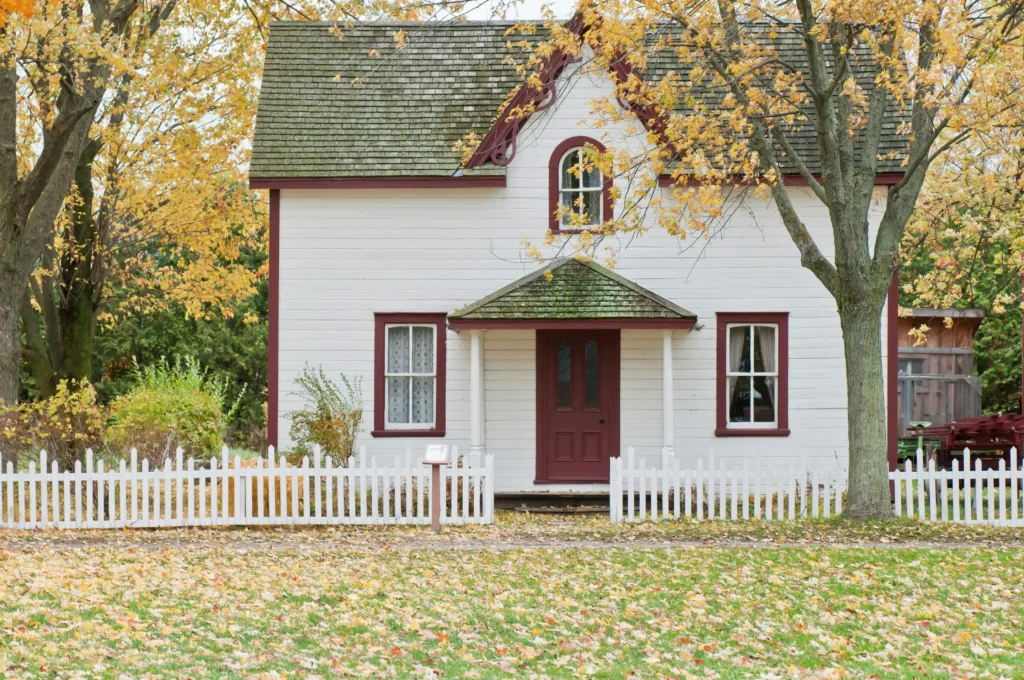
Starting in my home also meant that the environment already felt warm and welcoming. I didn’t need to invest heavily in furniture or equipment because our house was already designed around children. We had building toys in closets, art supplies on shelves, a small computer lab in the office, a large kitchen table for projects, a cozy rug for group gatherings, and most importantly, a yard.
Many of our families came from homeschooling backgrounds, so the home setting itself was a feature. In fact, when we brought up to some students the possibility of moving to a new space, the resounding reply was that they loved feeling welcome in our home and didn’t want to move.
The Realities of Growth
As enrollment grew in our second year, we expanded into two home-based campuses. At first, the growth felt exciting. We admitted as many students as we reasonably could and tried to make the arrangement work.
However, managing two campuses quickly changed the nature of my work. The logistics became complicated, and I found myself divided between spaces while still trying to maintain one connected community. Students at the newer location sometimes felt like they were missing out because the space was still being organized.
Insurance also became a significant challenge. Although we operated in two separate spaces, on paper we were still a school with more than 30 students operating out of our home. Homeowners insurance companies were understandably hesitant to cover that situation. Our insurance agent found temporary solutions, but they were expensive and lacked some common protections.
Eventually, we realized that continuing this way was not sustainable. We needed a single space dedicated entirely to the school if we were going to remain this size or continue to grow.
Benefits of Moving Out of My Home
By the end of our second year, I noticed that I was genuinely looking forward to moving the school out of my home. One pattern became increasingly clear: as children became more comfortable in the environment, the wear and tear on the house increased.
The children were not disrespectful or destructive; they were simply comfortable. A stick swung indoors chipped drywall, patio furniture became forts until cushions lost their ties, and someone forgot a drop cloth before spray painting a project outside. These are all normal childhood moments, and honestly, things my own children might have done, too. But with far more children using the space every week, the likelihood of accidents naturally increased.
There were also practical considerations beyond the walls of the house. For the past two years, several cars have parked in our cul-de-sac every afternoon during pickup times. Thankfully, Utah’s microschool-friendly laws allowed us to operate legally with a home-based business license, and my neighbors never seemed bothered. Still, I often worried about the impact on the neighborhood as enrollment continued growing.
Our new location is still in a residential setting, but it offers better traffic flow and will be designed more intentionally for school use.
Looking Back
There are many factors to consider when deciding whether to start a microschool in your home. Despite the challenges, though, I would still make the same decision.
Opening my home to these children has been a blessing. Starting small gave us the freedom to grow carefully, learn as we went, and build a school culture that felt authentic to our family. Now, as we move into a dedicated space, I feel grateful that we can do so with real experience, clearer systems, and a much better understanding of what our community needs.
If you are considering starting a microschool in your home, I would encourage you to weigh both the beauty and the practical realities carefully. For us, those first two years created the foundation for everything that comes next.